


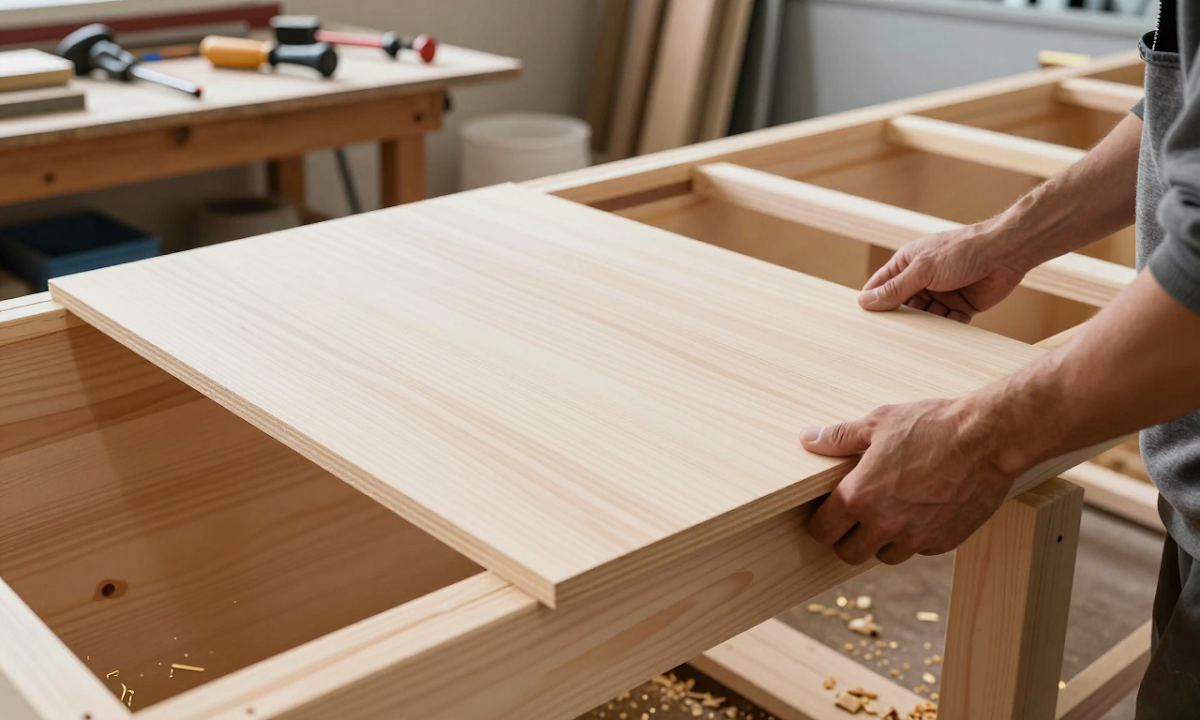
When you first pick up your plans for a custom skiff, one of the most pressing concerns is understanding the full scope of custom skiff material costs before committing to any purchase.
You will learn practical ways to use a boat building budget planner to keep track of every expense from raw lumber to rigging hardware costs.
By following these steps, you gain control over your skiff construction expenses right from day one, ensuring that your project stays within financial limits while maintaining the quality and durability you expect from this classic vessel type.
In this article:
- Understanding the Core Material Expenses for Your Skiff
- Creating a Realistic Budget Timeline Before You Buy
- Common Pitfalls That Inflate Your Skiff Building Costs
- Sourcing Strategies for High-Quality Materials at Fair Prices
- Tracking Expenses to Stay Within Your Project Limits
- Final Thoughts
Understanding the Core Material Expenses for Your Skiff
Building a custom skiff requires a clear grasp of where your biggest financial commitments lie, as these core material expenses form the backbone of your project's total price. The most significant portion of any build typically goes toward hull planking, which demands high-quality marine plywood to ensure longevity and structural integrity in wet conditions. Prices for this essential component fluctuate based on thickness, resin quality, and current lumber market trends, making it a variable cost that requires careful tracking early on.
Hull Plywood Pricing Factors
When selecting hull plywood, consider both the sheer number of sheets needed and their individual retail or bulk costs. Thicker laminates are often required for larger skiffs to resist flexing, which increases per-sheet pricing compared to thinner options used in smaller vessels. Additionally, premium brands with higher resin content command a steeper price but offer better resistance to delamination over time.
Deck laminate estimates add another substantial layer of expense, as these materials must withstand direct sunlight, salt spray, and foot traffic without warping. Fiberglass-reinforced plastics or marine-grade hardwood veneers are common choices, each with distinct cost profiles that depend on thickness and finish requirements. Some builders opt for thinner laminates to save money, but this often results in a stiffer deck that may require more frequent maintenance.
Rigging Hardware Costs
While not always immediately obvious, rigging hardware costs can quickly add up when sourcing stainless steel turnbuckles, blocks, and fittings for your sail or outrigger setup. These small components are critical for safety and performance but often get underestimated in initial budgeting phases. Purchasing from specialized marine suppliers usually yields better quality and durability than generic alternatives.
Structural framing materials, including keels, ribs, and bulkheads, also represent a major financial outlay. Whether you choose solid wood or aluminum depends on your specific design goals and local availability, but both options require precise calculations to avoid costly errors during the cutting phase. A detailed bill of materials prepared before purchasing ensures you account for waste factors and minimizes unexpected shortfalls later.
By understanding these primary cost drivers, you can allocate funds more effectively across hull planking, deck laminates, and other structural elements without overspending or compromising on quality.
Creating a Realistic Budget Timeline Before You Buy
Planning your purchase order before cutting a single board is essential for managing cash flow throughout the build process. By mapping out when you need specific materials, you avoid tying up capital in inventory long after it has been installed on the hull or deck.
Sequence Your Purchasing Strategy
- Hull Plywood First - Secure your primary structural sheets early since they are often the most expensive component and require significant storage space during construction.
- Deck Laminate Later - Wait until the hull is fully assembled and fair to order deck materials, as these large sheets can be difficult to store safely if not used immediately.
- Rigging Hardware in Batches - Order cleats, winches, and blocks only when you are ready to install the rigging system to prevent theft or damage while stored on your property.
This staged approach ensures that your most critical components arrive just as needed, reducing the risk of theft or weather damage. It also allows you to prioritize payments based on which parts are currently limiting your progress rather than paying for everything upfront.
Manage Cash Flow Effectively
- Pagiate Large Orders Early - Use initial funds to secure hull materials, as these represent the bulk of your skiff construction expenses and determine the project's structural integrity.
- Schedule Smaller Purchases Later - Allocate later payment windows for finishing touches like trim, varnish supplies, or electrical components once major fabrication milestones are reached.
By staggering your payments, you maintain liquidity to handle unexpected costs that may arise during the build. This method prevents financial strain and gives you the flexibility to adjust the schedule if a particular step takes longer than anticipated.
Prepare for Delays
- Create a Buffer Timeline - Allow extra weeks between ordering and installation to account for shipping delays or supplier backlogs without halting your work entirely.
- Communicate with Suppliers - Establish clear delivery windows so that materials arrive when you are physically present to unload them, avoiding additional storage fees or logistical complications.
A well-sequenced purchasing plan keeps the project moving forward smoothly while protecting your financial resources. When executed correctly, this strategy transforms a complex budgeting challenge into a manageable series of controlled expenditures aligned with actual work progress.
Common Pitfalls That Inflate Your Skiff Building Costs
One of the most frequent mistakes builders make is over-ordering lumber during the cutting process. When you estimate board lengths without accounting for natural taper or grain irregularities, you often end up with excess material that must be discarded. This surplus not only wastes money but also increases your waste disposal fees and storage requirements on site.
- Inaccurate length estimation - leads to leftover boards that cannot be used elsewhere in the build.
- Poor cutting layout planning - results in more offcuts than necessary, directly increasing material expenses.
Another significant issue arises when builders choose incompatible resin systems for their fiberglass layups. Using a polyester resin with vinyl ester reinforcement, or vice versa, can lead to poor bond strength and premature delamination. These structural failures often require costly repairs that outweigh the initial savings from buying cheaper materials. Selecting the wrong chemical combination is a critical error that undermines the entire investment in your hull.
Additional Cost Drivers
Misunderstanding deck laminate estimates can also cause budget overruns when you assume standard pricing applies to every project. Different thicknesses of marine-grade plywood and varying qualities of fiberglass cloth require different amounts of resin, which changes the total cost per square foot. Failing to calculate these variables accurately means you may run out of supplies mid-project, forcing an emergency purchase at full retail price.
Similarly, many skiff builders underestimate rigging hardware costs when calculating their overall boat building budget planner totals. A simple mistake is selecting standard marine fittings instead of high-strength stainless steel components required for the stress points on a custom skiff material costs calculation. While the price difference seems small initially, the need to replace corroded parts after a few seasons can be financially devastating.
Finally, rushing through the sourcing phase often leads to purchasing lower-quality hull plywood pricing materials that fail prematurely. When you buy cheap veneers or thin laminates, they may delaminate in rough water conditions, requiring complete replacement rather than a simple repair. Always verify the specifications of every material before committing to an order.
Sourcing Strategies for High-Quality Materials at Fair Prices
Building a custom skiff requires balancing quality with cost, but smart sourcing can keep your project within budget without compromising structural integrity. Start by identifying local marine suppliers who specialize in plywood, fiberglass resins, and hardware, as they often offer better rates than big-box stores for bulk orders. Asking directly about volume discounts or loyalty programs can unlock savings that significantly impact your overall boat building budget planner calculations.
Negotiating Better Rates
Even experienced builders find success by approaching suppliers with a clear sense of their needs and a willingness to compare options. Be prepared to discuss the total quantity you require over time, not just a single purchase, which signals commitment and often secures preferential pricing on hull plywood pricing or deck laminate estimates. Politely request multiple quotes and ask if they can match competitors' offers; many suppliers value retaining a loyal customer base over a one-time sale.
If a supplier seems hesitant to lower prices, explore alternative arrangements such as paying cash upfront or scheduling deliveries during slower business periods. Some distributors are open to negotiating on rigging hardware costs specifically, especially if you plan to source multiple fittings like winches and cleats from the same vendor.
Balancing Cost with Integrity
The goal is never to find the cheapest material available but rather the most cost-effective option that meets your performance requirements. This means avoiding inferior adhesives or thin marine-grade plywood simply because it costs a few dollars less per sheet, as these substitutions can lead to costly repairs down the line. Always verify certifications and ask for samples before committing to large purchases, ensuring you get the durability expected in skiff construction expenses.
Building relationships with a couple of trusted suppliers creates long-term value beyond immediate discounts. They become sources of advice on material suitability for specific hull shapes or environmental conditions, helping you avoid mistakes that inflate your tracking expenses later.
Tracking Expenses to Stay Within Your Project Limits
To keep your project on course, you need a reliable method for monitoring spending against your initial forecast. Set up a basic spreadsheet where every purchase gets recorded with its date, vendor, and final price. This simple approach allows you to see exactly how much money has been spent so far compared to what was planned. By updating these numbers regularly, you can spot overspending early before it becomes a major issue.
Consider creating separate columns for each major material category, such as hull plywood pricing or deck laminate estimates. Grouping your entries this way makes it easy to compare actual costs with the budgeted amounts for specific components. If you find that one area is consistently over its limit, you can investigate why before moving forward with additional orders.
- Record every expense immediately after payment rather than waiting until the end of the month.
- Include a column for the original estimated cost to visualize variances at a glance.
- Add a running total row that updates automatically as new data is entered.
Using color coding can further enhance your ability to track expenses efficiently. For instance, mark any line item that exceeds its budget by more than ten percent in red. This visual cue draws immediate attention to areas requiring adjustment or clarification from suppliers. It turns raw numbers into actionable insights without requiring complex software.
When reviewing your data weekly, look for patterns that suggest future problems. If rigging hardware costs are running higher than expected due to shipping delays, you might need to adjust your remaining budget timeline accordingly. Regular checks ensure that unexpected spikes in boat building budget planner figures do not catch you off guard during critical construction phases.
Finally, treat this tracking system as a living document rather than a static record. As new information about material availability or price changes emerges, update your projections immediately. This proactive stance helps maintain control over skiff construction expenses and ensures you stay within your overall project limits throughout the build process.
Final Thoughts
The three most critical factors in managing custom skiff material costs are accurate planning before you purchase, sourcing high-quality materials strategically, and diligently tracking every expense throughout construction.
By understanding hull plywood pricing, deck laminate estimates, and rigging hardware costs, builders can avoid common pitfalls that inflate their budget. A boat building budget planner serves as an essential tool to keep the project on track without unnecessary stress or surprise financial burdens.


